February 2, 2026
Meet the CCMR's New Scientific Director: Dr. Amber Mosewich
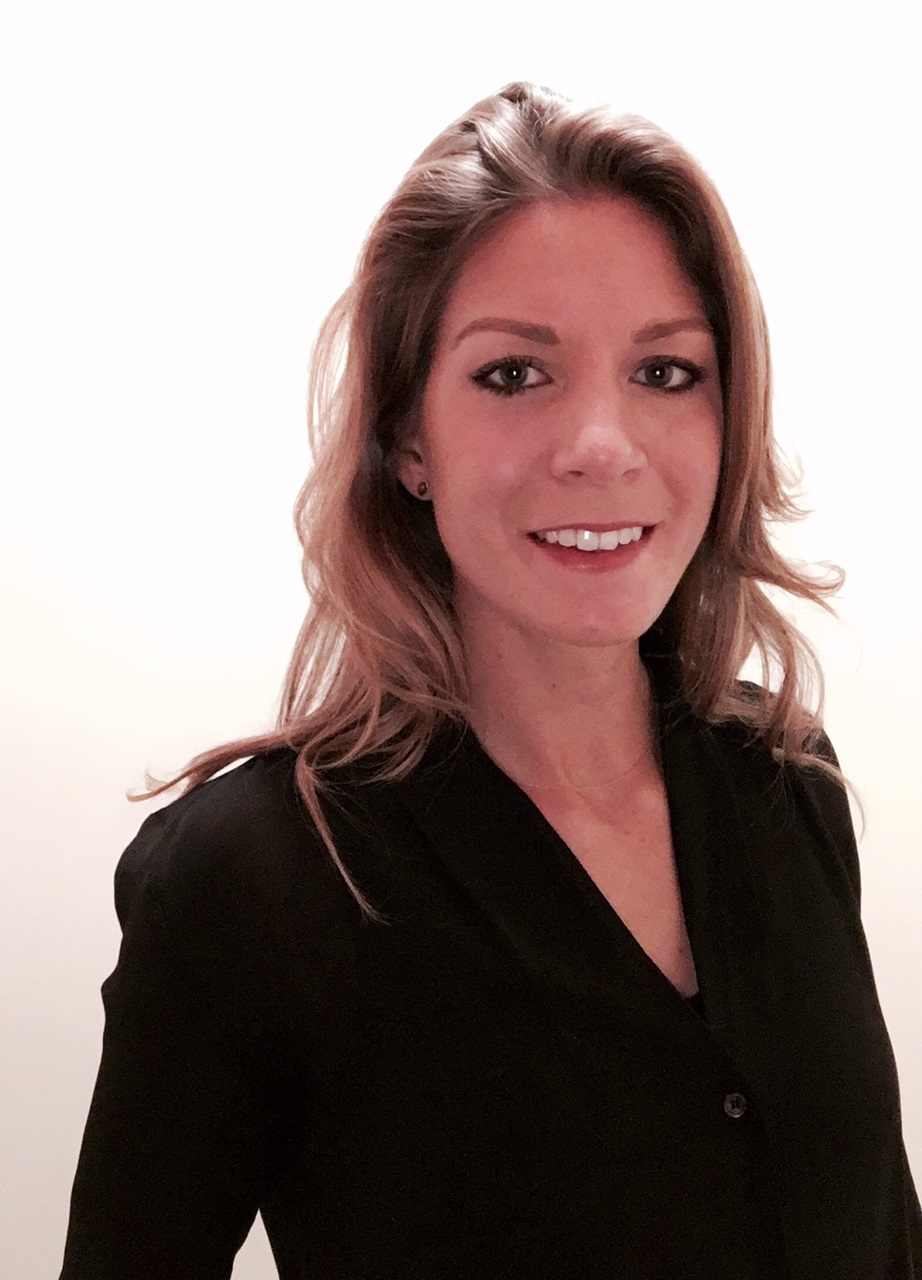
Dr. Amber Mosewich is an Associate Professor in the Faculty of Kinesiology, Sport, and Recreation at the University of Alberta. Her research focuses on psychological support and development for athletes and others involved in sport, emphasizing stress, coping, emotion regulation, and self-compassion. Her work seeks to strengthen the intrapersonal, interpersonal, and contextual supports that shape well-being and performance in sport. As part of this research, Dr. Mosewich explores how caring, responsive relationships - whether between coaches and athletes, peers, or support staff - can foster resilience, well-being, and personal growth. This relational orientation naturally extends to the field of mentoring, where she is interested in how mentorship processes can enhance self-awareness, well-being, and adaptive functioning in both sport and broader performance contexts. As Co-Scientific Director of the Canadian Centre for Mentoring Research, she is committed to advancing evidence-based, person-centred approaches that empower individuals and communities to thrive.
How has mentoring impacted your life?
Mentoring has shaped every stage of my personal and professional life. Early on, I had coaches and teachers who saw potential in me - they encouraged me to strive for my goals, but also cared deeply about who I was becoming along the way. I was lucky to have these mentors pushing me to grow – not just as an athlete or a student, but as a person. Those relationships built my confidence and helped me see challenges as opportunities to learn and develop resilience. In both developmental and high-performance sport, I experienced firsthand how a mentor’s belief in you can transform how you see yourself and what you think you’re capable of.
In my academic career, I’ve been equally influenced by mentors who modeled curiosity, integrity, and collaboration - they had a true commitment to supporting others. Supervisors, senior colleagues, and peers have all played roles at different times - offering guidance, perspective, and, often, friendship. One of the most rewarding parts of my career now is when those mentoring relationships expand into collegial partnerships. When mentors are also collaborators, the relationship becomes reciprocal, creative, and expansive. We truly can do more together.
Mentoring, for me, has never been a one-way process - it’s a dynamic exchange that builds confidence, connection, and community. That’s what makes it so powerful and why I’m passionate about advancing mentoring research and practice through the Canadian Centre for Mentoring Research.
What are the connections between your research and mentoring?
Much of my research focuses on how people can be supported psychologically - how they navigate stress, regulate emotion, and develop the skills and confidence to perform and thrive in challenging environments. At its core, that work is involves relationships and the conditions that allow people to grow. Mentoring shares that same foundation.
Whether in sport or another context, the quality of the relationship matters - trust, care, and responsiveness are what make growth possible. In my research on self-compassion and coping, my colleagues and I have seen how supportive environments help athletes respond to setbacks with understanding and constructive evaluation rather than harsh self-criticism. Mentoring relationships can create that same kind of safe, empowering space where learning and self-reflection flourish.
I also see strong parallels in how mentoring and my research both value reciprocity and mutual development. Just as mentors guide and learn from their mentees, my work emphasizes collaboration and co-construction of knowledge. These processes help people not only build skills but also develop a stronger sense of self and belonging - outcomes that are just as important in mentoring as they are in sport and performance contexts.
Why did you choose to join CCMR?
I was drawn to the CCMR because of its collaborative spirit and its commitment to connecting research with the people who will use it - maximizing real-world impact. Much of my work has focused on supporting people - athletes, coaches, and other performers - through relationships and environments that promote growth. While my research isn’t always identified as mentoring, many of the principles at its core reflect mentoring in action: guidance, support, and shared learning. In sport, much of what we strive to do involves those same relational processes, whether we label them as mentoring or not.
The CCMR brings together researchers, practitioners, and community partners who share that vision of support and development. What excites me most is the opportunity to be part of a network where ideas move in both directions - from research to practice, and from practice back to research. The questions that matter most often come from those who are living the realities we study, and I value the chance to listen, learn, and work alongside them. Being part of the CCMR allows me to contribute to that dialogue, build new collaborations, and help strengthen the mentoring landscape in Canada.
What excites you about the role of Scientific Director for CCMR?
What excites me most about this role is the opportunity to help shape and elevate the conversation around mentoring in Canada - to bring together diverse voices, disciplines, and lived experiences to strengthen how we understand and support mentoring relationships. I’m especially inspired by the chance to build meaningful bridges between research and practice, ensuring that our work not only advances knowledge but also reaches the people and communities who can use it.
I also love the collaborative aspect of this position. Working alongside colleagues who are passionate about relational development, learning, and well-being opens up endless possibilities for creativity and impact. Mentoring is inherently about connection and growth, and this role provides a platform to live those values - to foster partnerships, champion inclusive and evidence-informed approaches, and create spaces where mentoring can truly make a difference.